If you are planning to market a physical space—whether it is a luxury villa in Manipal, a beachfront resort in Malpe, or a new restaurant in Bengaluru—you have likely hit a crossroads in your marketing budget. The debate between Virtual Tour vs Traditional Photography is one of the most common dilemmas business owners face today.
Many marketing agencies will tell you that traditional photography is dead and 360-degree tours are the only way forward. Others will insist that virtual tours are just a gimmick and high-end still photos are all you need. As architectural visualization experts, we are here to tell you that both extremes are wrong.
"Traditional photography captures the details. A 360° virtual tour captures the environment. To maximize your sales funnel, you do not choose between them; you deploy them at different stages of the customer journey."
In this comprehensive guide, we will break down the strengths and weaknesses of both mediums, compare them head-to-head, and reveal exactly how to use them to drive maximum revenue for your business in 2026.
Understanding the Core Differences
The Role of Traditional Commercial Photography
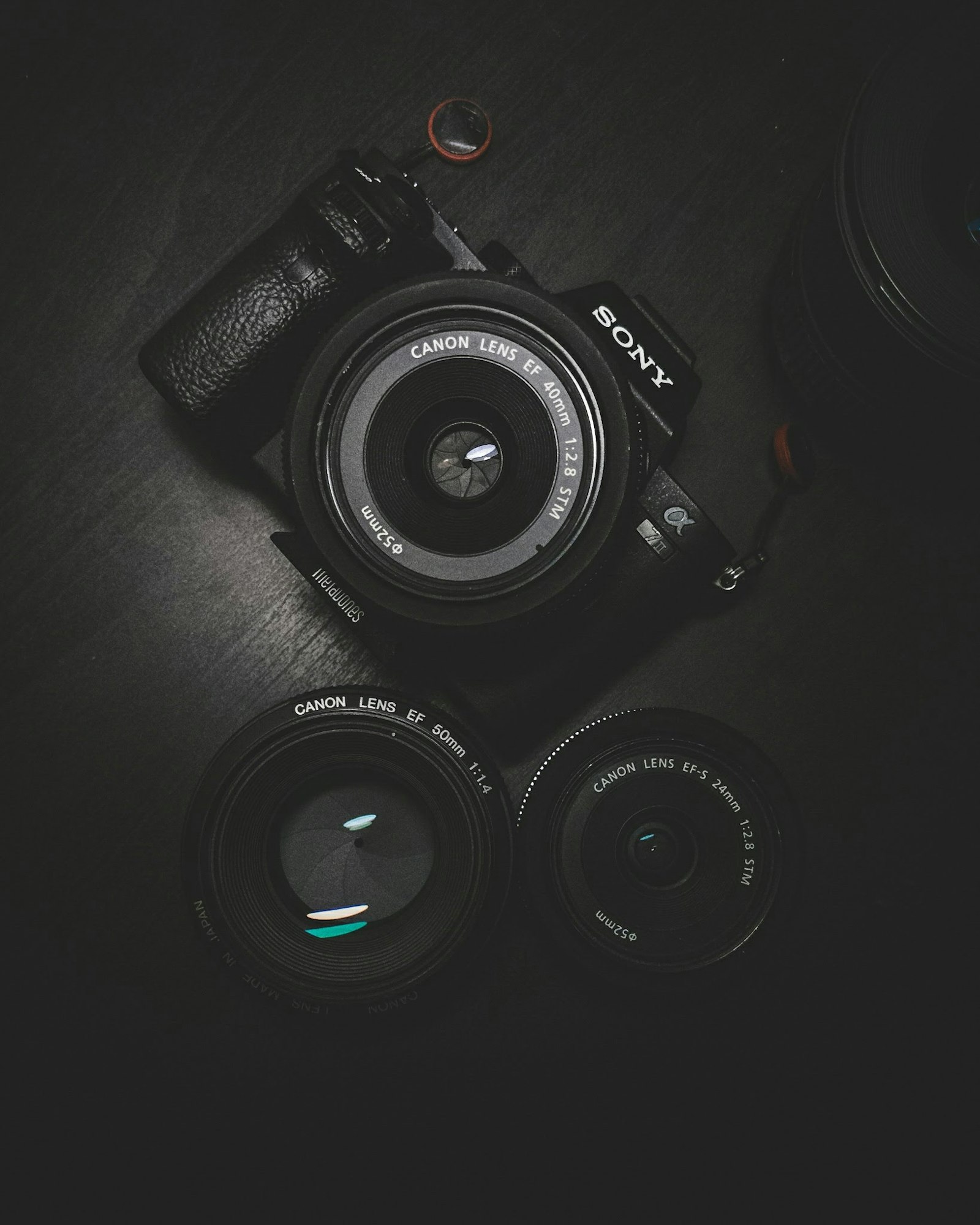
Traditional commercial property photography uses standard (often wide-angle) DSLR or mirrorless cameras. The photographer frames a specific shot, dictates the lighting, and chooses exactly what the viewer gets to see.
- Pros: Ideal for highlighting specific details (the texture of a bedsheet, the plating of a dish, the architectural lines of a staircase). It is perfectly formatted for quick scrolling on social media.
- Cons: It lacks spatial awareness. A wide-angle lens can make a tiny room look massive. Because photos are heavily curated and edited, modern consumers often view them with skepticism (the "catfishing" effect).
The Role of 360° Virtual Tours
A virtual tour uses omnidirectional cameras to capture a seamless 360-degree sphere of a room. These nodes are linked together to create an interactive digital twin of the property. The viewer—not the photographer—controls where to look and where to "walk."
- Pros: Unmatched transparency. It provides complete spatial context, increases website "dwell time" massively, and integrates directly with Google Maps for local SEO.
- Cons: Cannot be easily consumed in a 3-second Instagram scroll. Requires active participation from the viewer.
Head-to-Head Comparison
| Feature | Traditional Photography | 360° Virtual Tour |
|---|---|---|
| User Control | Passive. The user only sees what the photographer decided to frame. | Active. The user navigates, pans, zooms, and explores at their own pace. |
| Trust & Transparency | Low to Medium. Consumers know photos can be staged, cropped, and Photoshopped. | Very High. You cannot hide a bad view or a cramped layout in a 360-degree sphere. |
| Best Platform | Instagram, Facebook, Print Brochures, Billboards, PR articles. | Official Website, Google Maps / GBP, WhatsApp direct links. |
| SEO Impact | Low. Optimizing image alt-text helps slightly with Google Image search. | High. Increases page Dwell Time drastically and directly impacts Local Map Pack rankings. |
Industry-Specific Applications: When to Use What
1. Real Estate & Property Development
If you are a builder, you should use a highly polished traditional photo as the hero image on MagicBricks or your Instagram ad to grab a buyer's attention. However, once they click the ad and land on your landing page, you must provide a Real Estate Virtual Tour. The photo got the click; the interactive 3D walkthrough will convince the NRI buyer that the floor plan is exactly what they want, saving you hours of wasted site visits.
2. Hotels and Resorts
Hoteliers need traditional photos to show close-ups of the spa amenities or the gourmet breakfast spread. But when a guest is trying to decide if the "Premium Sea View Suite" is worth the extra ₹4,000 per night, a static photo won't convince them. A Hotel Virtual Tour that allows them to walk out onto the digital balcony and look at the ocean will close the direct booking instantly.
3. Restaurants and Cafes
Food photography is non-negotiable for Instagram. But when someone is searching "restaurants near me" on Google Maps to plan a 20-person corporate dinner, they care about the seating layout and the ambiance. Embedding a Restaurant Virtual Tour into your Google Business Profile will secure that high-value reservation.
4. Schools and Universities
Colleges need photos of smiling students for their prospectuses. But when trying to convince an out-of-state parent to pay premium tuition fees, a School Virtual Tour showcasing the state-of-the-art laboratories and secure hostel facilities is the ultimate conversion tool.
The Cost Myth: Which is More Expensive?
Many business owners assume a virtual tour is prohibitively expensive compared to standard photography. This is a myth. A highly-produced traditional commercial shoot (which involves lighting assistants, staging, and extensive Photoshop retouching) can easily cost as much, if not more, than a virtual tour.
Furthermore, standard photos go out of date quickly, whereas a virtual tour is an evergreen digital asset. If you want a detailed breakdown of current market rates, check out our guide on 360 Virtual Tour Pricing in India.
The Verdict: The Hybrid Strategy Wins
The debate of Virtual Tour vs Traditional Photography shouldn't end with choosing one over the other. The most successful businesses in Udupi, Mangaluru, and beyond use a hybrid strategy.
Step 1: Use traditional photography at the Top of the Funnel (Social Media, Display Ads) to grab attention fast.
Step 2: Use 360-degree virtual tours at the Bottom of the Funnel (Official Website, Google Maps) to build absolute trust, answer spatial questions, and close the sale.
Upgrade your visual marketing strategy.
Stop losing customers to outdated static galleries. We provide premium 360-degree interactive tours for businesses across Karnataka.
Discuss Your Project